
Sourdough: what it is, how it works and why so many bread lovers choose it
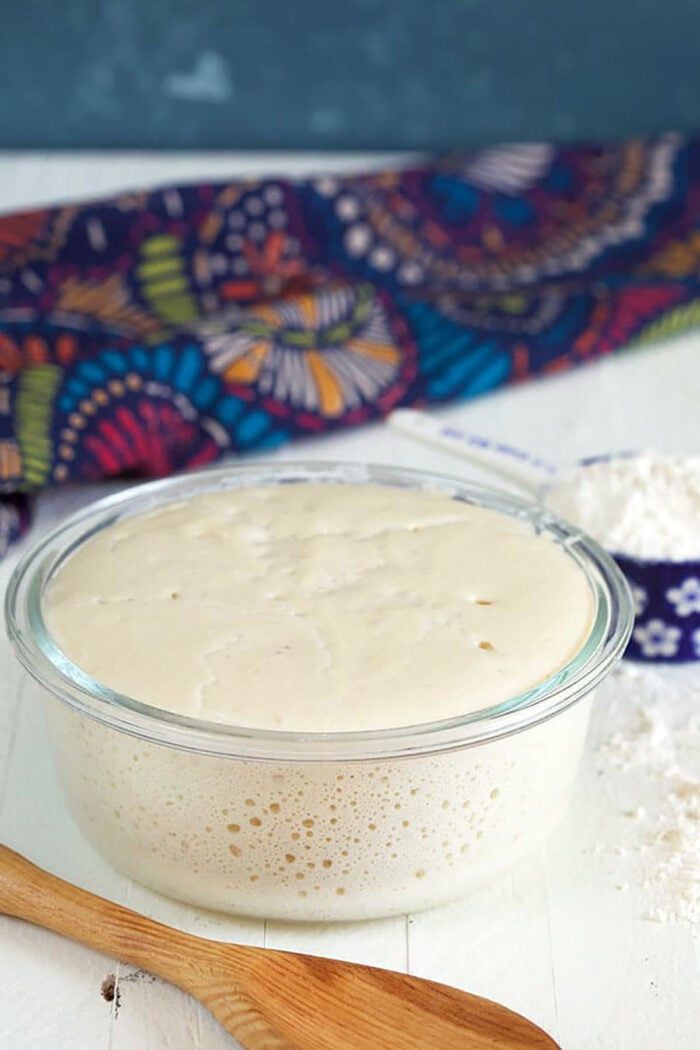
Flour, water and time. At first glance, it seems like the simplest combination. But when these ingredients are left to ferment naturally, a fascinating process begins that turns a basic mix into a culture capable of bringing bread to life.
Sourdough has been passed down from generation to generation, and today it's once again finding a special place in many kitchens. Some people are drawn to its flavor, some enjoy learning the art of fermentation and some want to better understand the ingredients they use to bake their own bread.
If you're new to this world, it's normal to have questions. What exactly is sourdough? How does it work? Is it different from commercial yeast? And what are its benefits?
Let's find out step by step, keeping it simple, with information that will help you better understand what's happening inside your starter jar.
What really is sourdough?
Sourdough starter is a culture of microorganisms that develops when you mix flour and water and keep the mixture in the right conditions for fermentation.
It's home to two main groups of microorganisms: yeasts and lactic acid bacteria. Although we can't see them with the naked eye, their activity causes changes we can see and smell: bubbles appear, the mixture grows in volume and distinctive aromas develop.
Each group plays a different role.
Yeasts help the dough rise. During fermentation they produce carbon dioxide, a gas that gets trapped in the dough's structure and helps form the bread's crumb.
Lactic acid bacteria contribute to the flavor and properties of the dough. They produce organic acids and other compounds that affect aroma, acidity and certain changes that happen during fermentation.
The makeup of these microorganisms can vary from one starter to another. The type of flour, temperature, hydration, feeding schedule and environment all influence the microbial community that develops.
That's why a starter isn't just fermented flour: it's a tiny ecosystem that needs the right conditions to stay active.
And yes, you can give it a name if you want. Many bakers love following how their starter evolves and making its care part of their kitchen routine.
Sourdough vs. commercial yeast: what's the difference?
Although both are used to leaven dough, they don't work in exactly the same way.
Commercial baker's yeast usually contains a selected strain of Saccharomyces cerevisiae. It's used because it produces gas efficiently and lets you control the dough's rise quite precisely.
Sourdough, on the other hand, contains a community of yeasts and bacteria working together. Its activity depends on the culture's conditions and usually calls for a different kind of planning.
These differences also show up in the bread we get.
- Time: commercial yeast allows for relatively quick fermentation, while sourdough recipes usually need more time.
- Flavor: sourdough can develop distinctive aromatic notes and tang thanks to the compounds produced during fermentation.
- Texture: fermentation time, flour and technique all affect the elasticity, volume and crumb structure.
- Nutritional changes: sourdough fermentation can change certain components of the flour, although the results depend on the recipe and not all breads offer the same benefits.
One thing is important to clarify: commercial yeast isn't harmful just because you use it, and there isn't enough evidence to say it's a common cause of gas or bloating after eating bread. Digestive tolerance depends on many factors, including the ingredients and each person's individual makeup.
The difference lies mainly in the type of fermentation, the microorganisms involved and the characteristics each method brings to the final product.
How can you make your own sourdough starter?
One of the loveliest things about sourdough is that you can start with two basic ingredients: flour and water.
When you mix them and keep them in the right conditions, you encourage the growth of microorganisms naturally present in the flour and the environment. With repeated feedings, the culture can develop a more stable microbial community and become strong enough to leaven bread dough.
The process usually takes several days, and often about a week or more. However, the time varies depending on the flour, the temperature and how active the culture is.
During those first few days, the mixture may change smell, show bubbles and rise and fall. These signs should be read together, because intense early activity doesn't always mean your starter is ready to bake with.
What matters is learning to recognize when your starter is stable and can leaven dough predictably.
Which flour should you use?
Starters can be made with different grains, such as wheat, rye and spelt. You can also make starters with gluten-free flours, although they may look and behave differently.
Rye is a popular choice because it tends to encourage active fermentation and lets you see interesting changes in the starter. Still, there's no single flour that's ideal for everyone: the choice depends on the bread you want to bake and your own preferences.
If you want to bake gluten-free bread, you need to use certified gluten-free ingredients and avoid cross-contamination throughout the process. A conventional wheat, rye or spelt starter is not safe for people with celiac disease.
How do you know it's ready?
A mature starter usually shows consistent activity after feeding. It may rise in volume, have bubbles throughout and develop a pleasant sour aroma.
How quickly these signs appear depends on the temperature, the flour and the feeding ratio.
If you want to start from scratch, you can download our free guide to learn how to make and maintain your own sourdough starter step by step.
Why is sourdough fermentation getting so much attention?
Sourdough's appeal goes beyond the craft itself. Scientific research has looked at how fermentation changes the components of grain and what those changes may mean for the properties of bread.
Although there's still more to learn, there are several reasons why this method is so interesting.
1. It may improve the availability of some minerals
Grains contain phytic acid, a compound that can reduce the absorption of certain minerals by binding to them during digestion.
Under certain conditions, acidic fermentation can help break down some of this compound and improve the availability of minerals like iron and zinc.
The result depends on the grain used, enzyme activity, fermentation time and other recipe conditions.
2. It changes certain components of the flour
During fermentation, the flour's enzymes and microbial activity transform some of the carbohydrates and proteins.
These changes can affect the properties of the dough and how some components are processed during digestion. However, that doesn't mean every sourdough bread is necessarily easier for everyone to digest.
If you experience discomfort after eating bread, it's best to work out the possible causes with a healthcare professional rather than assuming the type of yeast is to blame.
3. It may affect your blood sugar response
Some studies have found differences in glycemic response after eating certain sourdough breads compared with other types of bread.
The acidity produced during fermentation, the bread's structure, the type of flour and the amount of fiber can all affect how carbohydrates are digested and absorbed.
However, the results aren't consistent. Not all sourdough breads have a low glycemic index, and there's no guarantee they'll produce a particular blood sugar response.
If you want to eat well, it's more useful to look at the whole recipe, the portion, the ingredients and your own needs than to choose a bread based on its fermentation method alone.
4. It develops complex aromas and flavors
This is one of the things bakers love most about it.
Fermentation produces organic acids and other aromatic compounds that shape the bread's flavor profile. Depending on the conditions, the result can have mild, milky, fruity or more intensely sour notes.
The flavor doesn't depend on the starter alone. The flour, hydration, fermentation time and baking all play a part.
5. It can help bread stay fresh longer
The acidity and other changes that come with fermentation can slow the growth of certain spoilage microorganisms in some bakes.
This can help bread keep its quality longer, although it doesn't eliminate the risk of mold or replace proper storage.
How well it keeps ultimately depends on the recipe, moisture, hygiene, the environment and how the bread is stored.
Is all sourdough bread healthy?
Not necessarily. This point deserves special attention because the word "sourdough" is sometimes used as if it guaranteed certain nutritional benefits on its own.
A bread's nutritional profile depends on its ingredients, proportions and how it's made. A whole-grain sourdough loaf, for example, will be different from one made mostly with refined flour.
Also, traditional sourdough made with wheat, rye or spelt contains gluten. Fermentation doesn't make these grains safe for people with celiac disease.
So rather than looking for one perfect food, it's better to learn to choose the right ingredients, understand how things are made and eat a varied diet.
Sourdough can be a great tool within that approach, but it's not a cure-all for digestive problems or a treatment for any disease.
The magic of sourdough is in the process
Part of the beauty of baking with sourdough is learning to observe. Over time, you start to notice how your starter responds to temperature, when it peaks and how the dough changes as it ferments.
Every bake becomes a chance to learn something new. Sometimes the bread will have a more open crumb; other times, a milder flavor or a different crust. It's all part of working with a natural process that depends on so many variables.
At Golden Crumbs Kitchen, we believe home baking isn't about chasing perfection, but about understanding your ingredients and enjoying what you can create with them.
Sourdough brings together tradition, science and creativity. And you don't need to know everything to get started: all it takes is flour, water, curiosity and a desire to learn.
Golden Crumbs Kitchen — Everyday recipes made with love.
Did you enjoy this post?
Let me know by leaving a rating and/or a comment below. Thank you!
{{ratingText}}