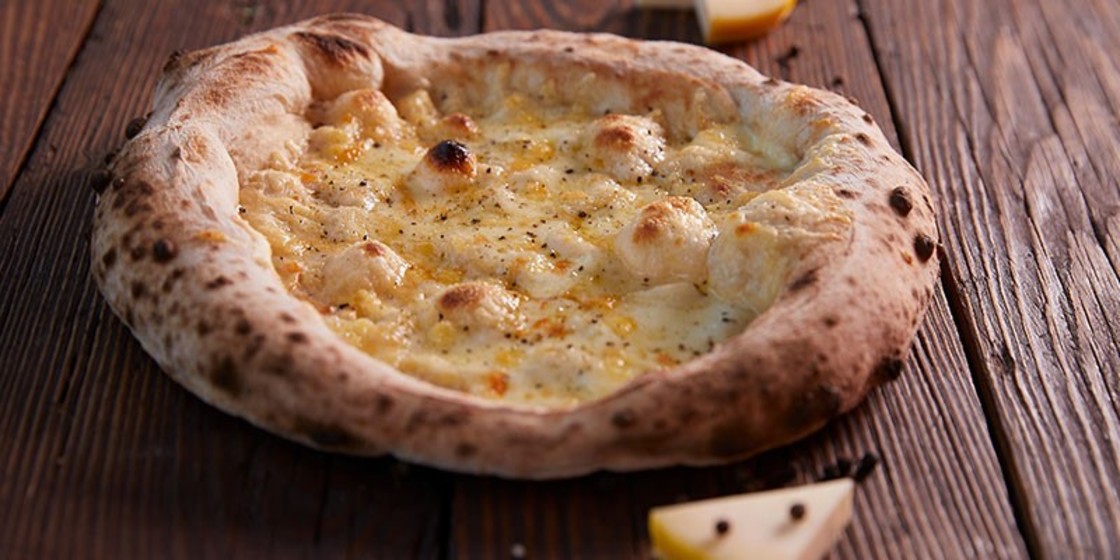
Homemade sourdough pizza: a crisp base, airy edges and loads of flavor

Making great pizza at home can be so much easier than you think. You don't need to toss the dough in the air or have a professional kitchen: with an active starter, good ingredients and a few baking tricks, you can make homemade pizza with a delicious texture and a flavor full of depth.
The secret starts long before you turn on the oven. A well-planned fermentation lets the dough develop flavor and an elastic texture that makes shaping easier. Then high heat finishes the job, giving you a well-baked base and golden edges with little charred spots.
At Golden Crumbs Kitchen, we want to help you enjoy home baking without the fuss. That's why this guide covers the most important things to know about making, shaping, topping and baking your own sourdough pizza.
What do you need to make sourdough pizza?
The good news is that you don't need a stand mixer or professional tools to get started. A bowl, your hands and a clean work surface are all you need to make the dough.
The key ingredient is an active starter, whether wheat or rye, as long as it's in good shape and active enough for the recipe you're using.
You'll also need bread flour, water, salt and, if your formula calls for them, other ingredients to adjust the texture of the dough.
But there's another factor that makes a huge difference: the oven. The temperature and how the heat is distributed can have a big impact on the final texture of your pizza.
How to get a dough that's easy to stretch
Shaping is one of the steps that raises the most questions when making pizza. Sometimes the dough shrinks back, tears or seems to fight you as you stretch it. This can happen for several reasons, like gluten development, hydration or resting time.
The best strategy is to be patient and avoid forcing the dough.
When your dough balls are ready to shape, place one on a surface lightly dusted with fine semolina or flour. Press gently with your fingertips from the center outward, pushing some of the air toward the edges.
Keep widening the circle little by little. If the dough resists, let it rest for a few minutes before stretching it further. That break can help the gluten relax.
If you feel comfortable, you can lift the dough and gently stretch it over your knuckles, rotating it and letting its own weight help it stretch.
An important tip: avoid pressing down on the edges too much. That way you'll keep some of the gas built up during fermentation and get a lighter, airier crust.
You don't need a perfect circle. A homemade pizza has its own charm when it keeps a slightly irregular shape.
Choose toppings that let the dough shine
A memorable pizza doesn't need an endless list of toppings. In fact, using just a few good-quality ingredients usually lets each flavor stand out.
For a classic version, you can start with:
- A good tomato sauce.
- Mozzarella that won't release too much moisture.
- Oregano or basil.
- A small drizzle of olive oil, if you like.
From there, the possibilities are endless.
Ideas to switch up your pizzas:
- Tuna and onion: a tasty combination you can finish with olives.
- Four cheese: mix cheeses with different intensities and textures.
- Tomato and basil: a fresh, simple option.
- Cured ham: bake the pizza with tomato and cheese, then add the ham once it's out of the oven to keep its texture and aroma.
- Roasted vegetables: use zucchini, peppers, mushrooms or eggplant cooked ahead of time to control the moisture.
Keep in mind that too much sauce or too many wet toppings can keep the center from cooking through. Spread the toppings evenly and don't overload the dough.
How to bake sourdough pizza at home
Baking is one of the most important steps for getting a pizza with a well-cooked base and golden edges.
Dedicated pizza ovens reach very high temperatures and cook pizza in no time. But you can also get excellent results with a home oven if you make the most of the heat you have.
Option 1. Dedicated pizza oven
Ovens designed specifically for pizza can reach temperatures far higher than a regular home oven. This lets the dough cook quickly and develop a signature crust.
Preheat the oven according to the manufacturer's instructions. Once it reaches the right temperature, slide the pizza onto the cooking surface with a peel.
In high-temperature ovens, baking can take around one or two minutes, although it depends on the model, the actual temperature and the dough. Keep an eye on the pizza and turn it as needed so it cooks evenly.
Option 2. Home oven with a pizza stone or steel
If you're using a regular oven, a baking stone or steel can help you get better results.
Place the baking surface in the position recommended for your oven and preheat it according to the manufacturer's instructions. If your equipment allows, use a high temperature, for example 250 °C (480 °F).
In many home ovens, a stone or steel needs 45 to 60 minutes to build up enough heat, but the exact time will depend on the material and your equipment.
Once the oven and surface are good and hot, carefully transfer the pizza and watch how it bakes. It may take about 5 to 8 minutes, although some ovens will need longer.
The base should be cooked through and the edges golden, without the bottom burning before the rest of the pizza is ready.
Important: follow the instructions for your stone or steel and avoid sudden temperature changes that could damage it.
What are the charred spots on the crust?
The small dark spots that appear on the edges of some pizzas are popularly known as leopard spots, because they look like a leopard's markings.
They form during baking from a combination of high heat, moisture and browning reactions on the surface of the dough.
They're common on pizzas baked in very hot ovens, but they're not a must for a good pizza. What really matters is a balanced bake, with a cooked base and edges that have a pleasant texture and flavor.
Why let the dough ferment longer?
Long fermentation is one of the most prized qualities of sourdough pizza.
During this process, the yeasts and bacteria in the culture transform some of the dough's components and produce compounds that shape its aroma and flavor.
With well-controlled fermentation, pizza can develop more complex flavors than you'd get from a very quick process.
Time also affects the dough's structure. As it rests, the gluten can relax, making it easier to stretch and shape. However, too much fermentation can weaken the structure, so it's best to pay attention to the temperature and the state of the dough rather than going by the clock alone.
Sourdough doesn't automatically make every pizza healthier or easier to digest. The result depends on the flour, the recipe and the fermentation process.
Is it better to use semolina or flour to shape pizza?
Both work, but there are a few differences.
Fine semolina, usually made from durum wheat, helps the dough slide across the work surface or peel and can give the base a slightly different texture.
Regular flour works too and is handy when you don't have semolina on hand.
Either way, use only as much as you need. Too much flour or semolina can burn during baking and leave bitter flavors or a layer of scorched bits under the pizza.
How much should each dough ball weigh?
The weight depends on the diameter and thickness you're going for.
As a starting point, a dough ball of 250 to 300 grams usually works well for a medium pizza. If you prefer a smaller, thinner pizza, you can reduce the weight; for a large pizza, you'll need a bigger ball.
What matters is keeping a good balance between the center and the edges and adjusting the size to the baking surface you have.
Enjoy the process and find your favorite pizza
Making sourdough pizza is a chance to experiment with fermentation, learn to handle dough and see how small changes can transform the result.
Start with a simple combination of toppings, pay attention to the bake and adjust the timing to your kitchen. With practice, you'll learn to tell when the dough is ready to shape and what your oven needs to bake evenly.
You don't need professional equipment to enjoy a great homemade pizza. An active starter, well-chosen ingredients and a little patience can be the start of many recipes to share.
Ready to make your next sourdough pizza? Save this Golden Crumbs Kitchen guide and use it as your starting point for your next pizza nights.
Golden Crumbs Kitchen — Everyday recipes made with love.