Sourdough pumpkin bread: an artisan loaf for fall days
When fall arrives, the kitchen fills with new aromas and colors. Pumpkins show up at the markets, the mornings get crisper and it's the perfect time to turn on the oven for recipes that make every breakfast feel special.
Of all the seasonal bakes, sourdough pumpkin bread has something different about it. Its warm color, tender crumb and delicate texture make it a delicious choice for anyone who loves home baking and natural ingredients.
This recipe comes from a simple idea: replacing some of the usual water in the dough with pumpkin purée. A small change that transforms the look and texture of the bread and brings in an ingredient that's so typical of this time of year.
How this recipe came about
The inspiration came from finding a gorgeous pumpkin at a natural foods market. Its deep color and flesh promised so much more than soup or a side dish, so I got curious about trying it in bread dough.
The idea was to use the pumpkin purée as part of the recipe's hydration and see how it affected the final result.
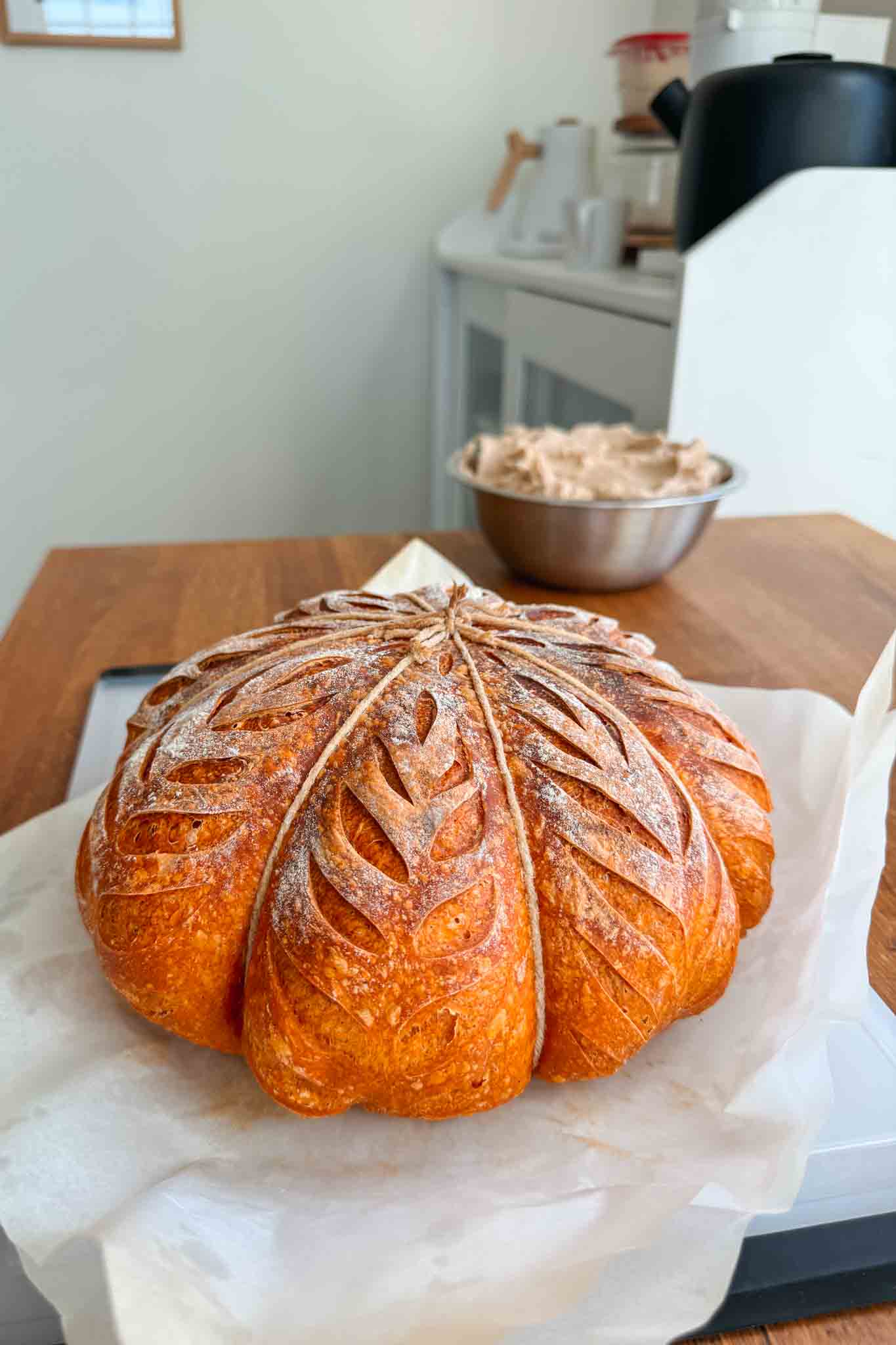
After preparing the pumpkin and getting to work, the result was a bread with a personality all its own: different from traditional bread, with a softer inside and a golden hue that makes you want to slice it the moment it's cooled.
That's how a recipe was born that's perfect for anyone who loves exploring new possibilities with sourdough and seasonal ingredients.
What makes pumpkin bread special?
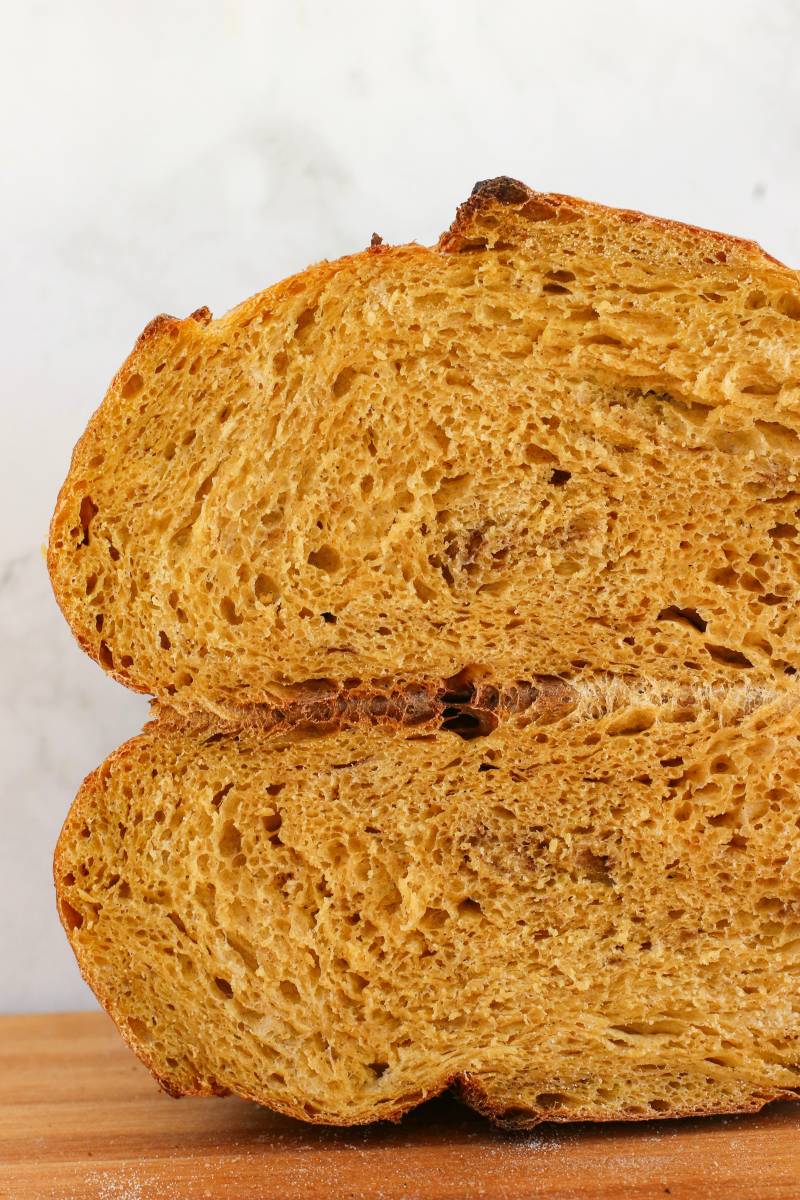
The first thing you notice is its color. Depending on the variety of pumpkin you use, the crumb can range from a soft yellow to a deeper orange.
But the real difference is in the texture. The purée adds moisture and changes the structure of the crumb, giving you a bread that can feel especially soft and tender when the hydration and fermentation are well balanced.
Its flavor is mild and goes beautifully with sweet toppings. A slice with butter and jam, alongside a cup of hot coffee or tea, is a simple way to enjoy it at breakfast.
You can also serve it with cream cheese, use it for toast or pair it with savory toppings if you prefer a contrast of flavors.
A creative way to use pumpkin
If you're looking for new ways to add different vegetables to everyday meals, this recipe could be a great option.
The pumpkin blends into the dough without any visible chunks, and its delicate flavor goes easily with other ingredients. It can be a fun way to switch up how you serve food at home, although bread doesn't replace a serving of fresh vegetables or guarantee that every kid will like the taste.
Best of all, you can experiment with different varieties of pumpkin and see how they change the color, aroma and moisture of the bread.
Important tips before you start
To get a great result, there are a few details worth keeping in mind before you make the dough.
1. Get your starter active. Before making the preferment, feed your starter following your usual routine. If you remove some during feeding, you can save that discard for other recipes that specifically explain how to use it.
2. Save the cooking water. If you boil or cook the pumpkin in water, you can save the liquid to use in the preferment, as long as it's clean and has cooled completely. Keep in mind that its makeup can vary, so adjust the hydration based on how the dough feels.
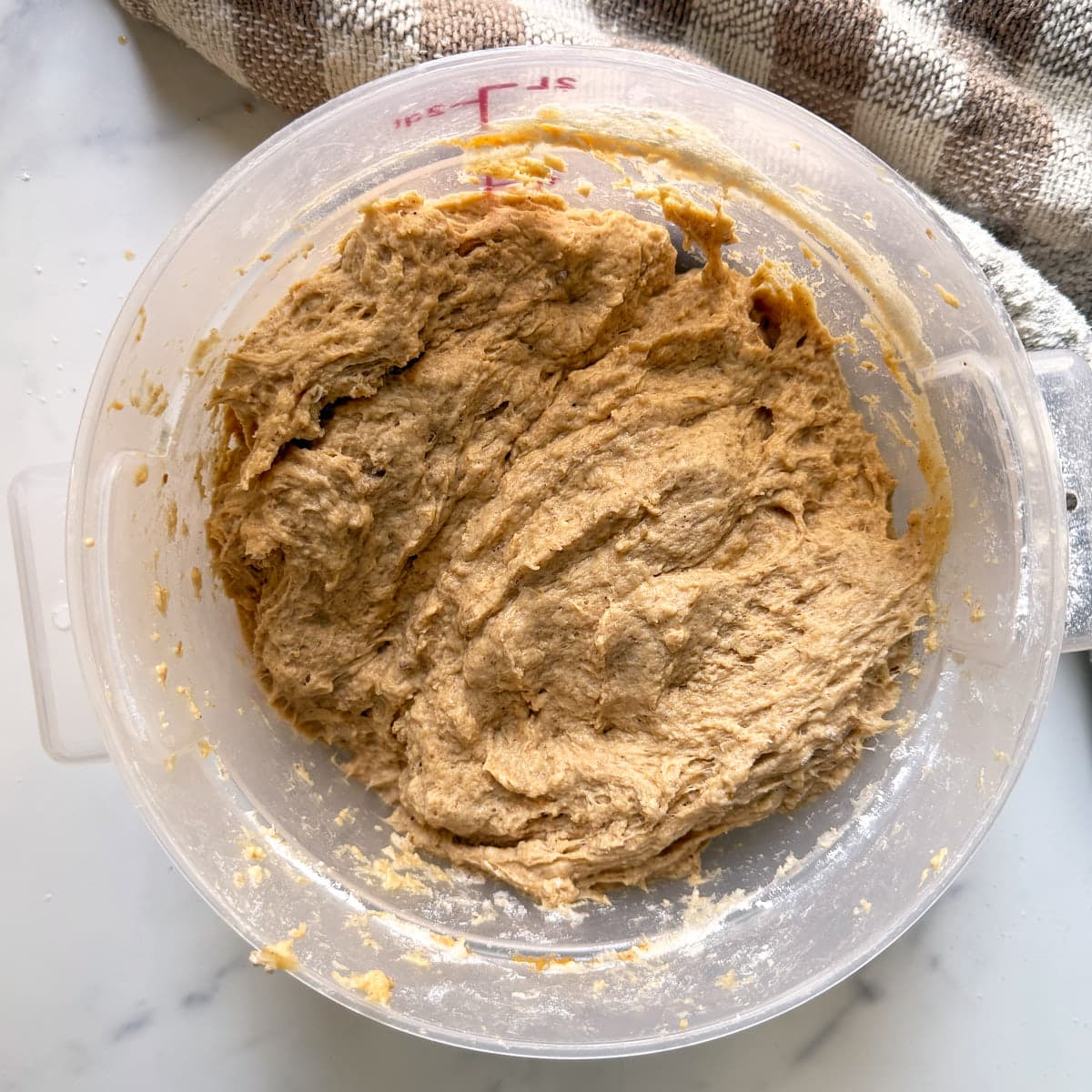
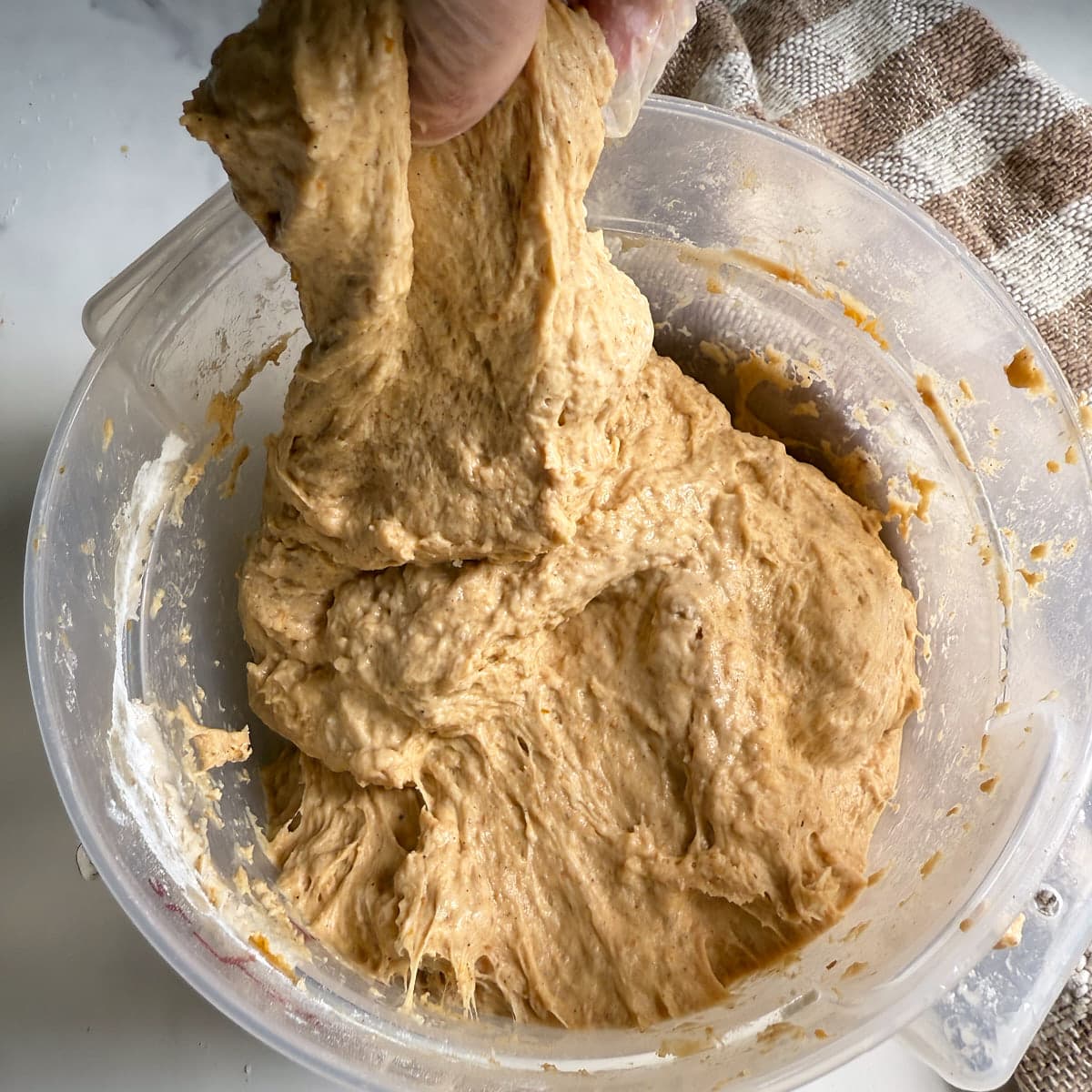
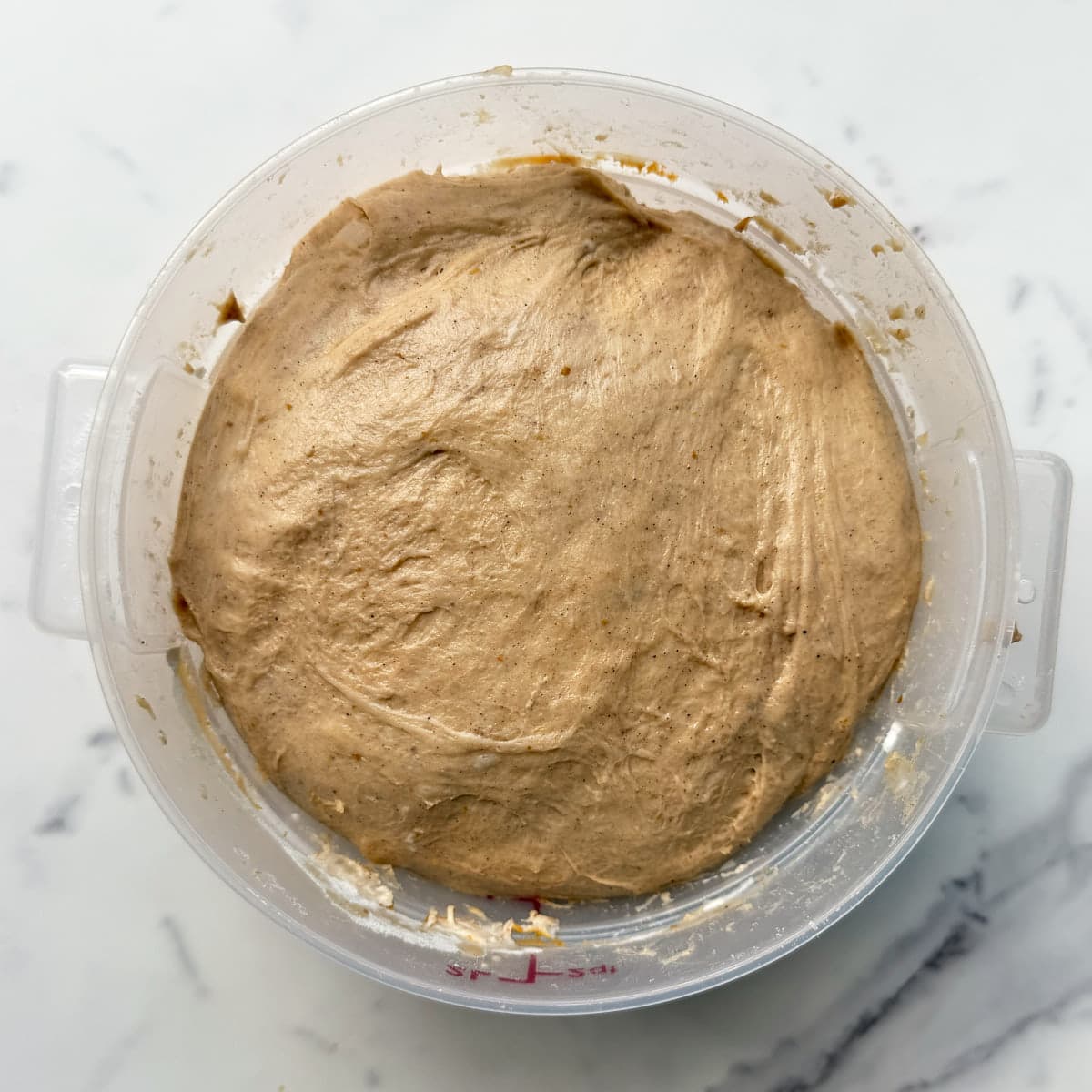
3. Adjust the hydration carefully. Not all pumpkins contain the same amount of water, and not all flours absorb liquid the same way. Add liquids gradually and check the texture before adding more. If you're just starting out, a slightly stiffer dough is usually easier to handle.
4. Use oven-safe materials. If you want to shape your loaf like a pumpkin, use string that's specifically safe for food contact and baking temperatures. Follow the manufacturer's instructions and avoid materials that could burn, melt or contaminate the food.
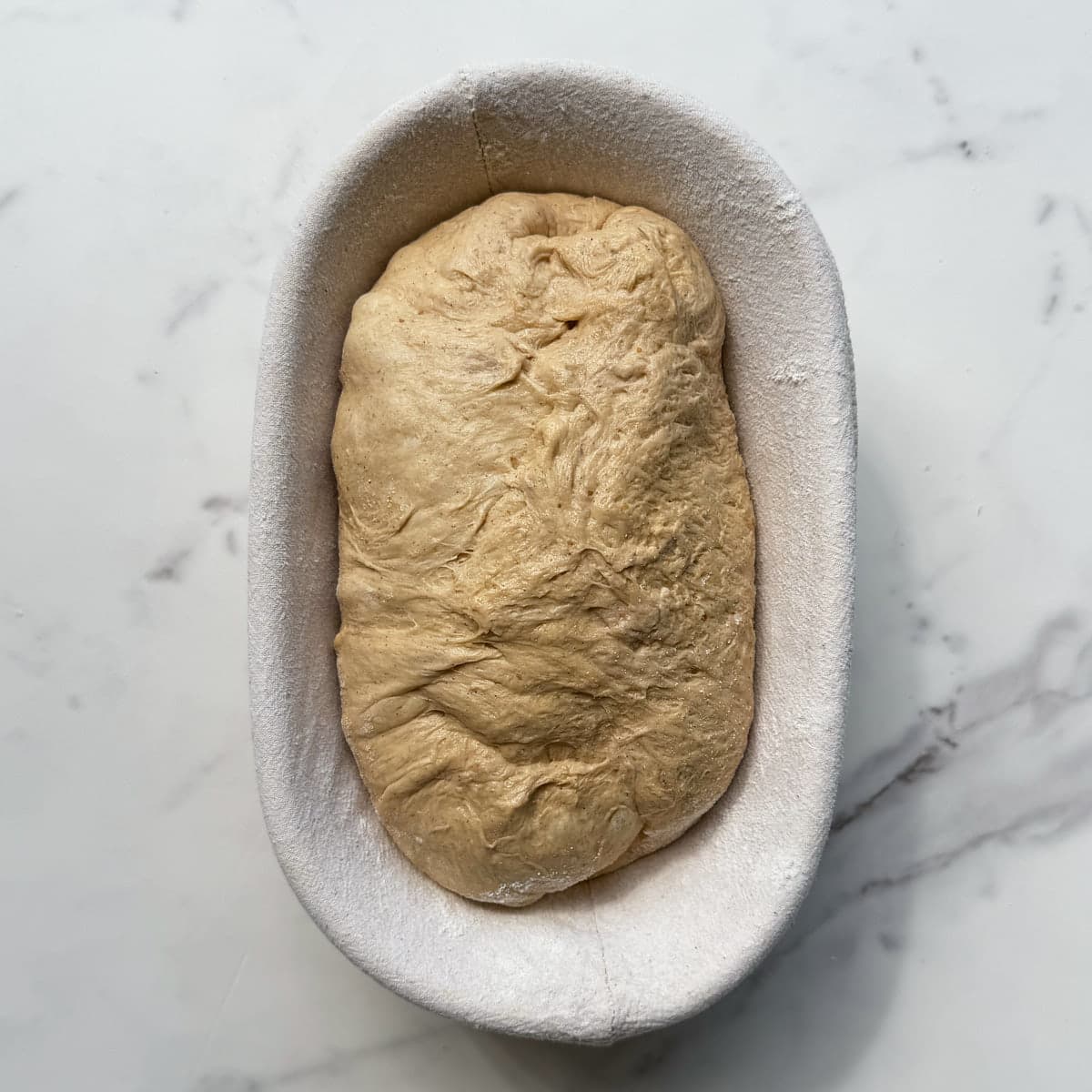
5. Choose the right size banneton. For a loaf of about one kilogram, use a banneton big enough to hold the dough during the final proof. Leave room for it to rise without spilling over.
A seasonal loaf to enjoy at home
Artisan baking invites us to discover how one ingredient can transform a familiar recipe. Here, the pumpkin adds color, moisture and a unique texture, while the sourdough develops the aromas that come with fermentation.
Making it is also a chance to work with seasonal produce, learn to read your dough and enjoy the process without rushing.
Slice the bread once it's cooled completely, get your favorite topping ready and save a slice for that quiet moment of the day when a homemade recipe becomes a little treat.
Ready to bake your own sourdough pumpkin bread? Save this Golden Crumbs Kitchen recipe and give your next baking session a cozy fall touch.
Golden Crumbs Kitchen — Everyday recipes made with love.